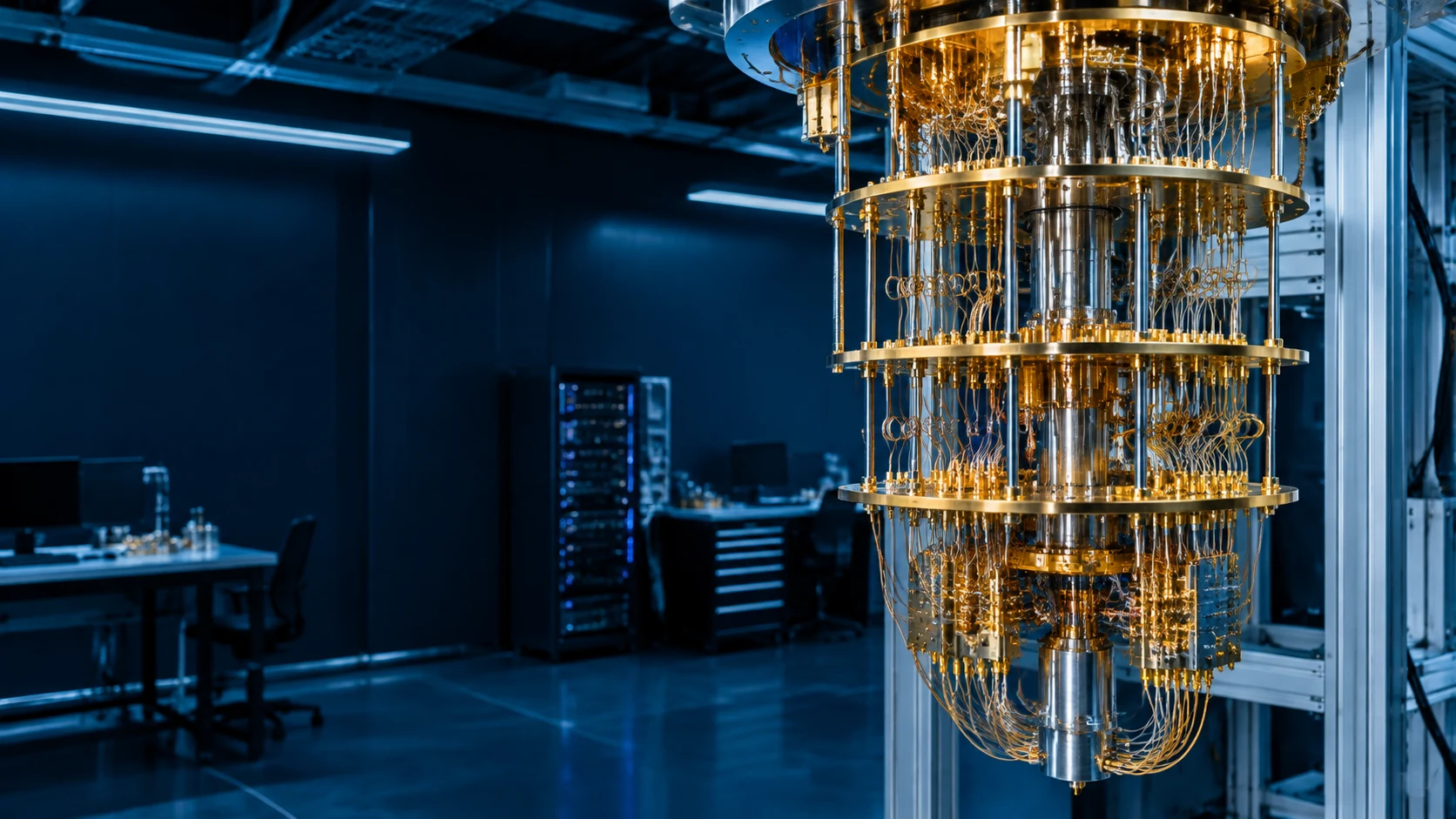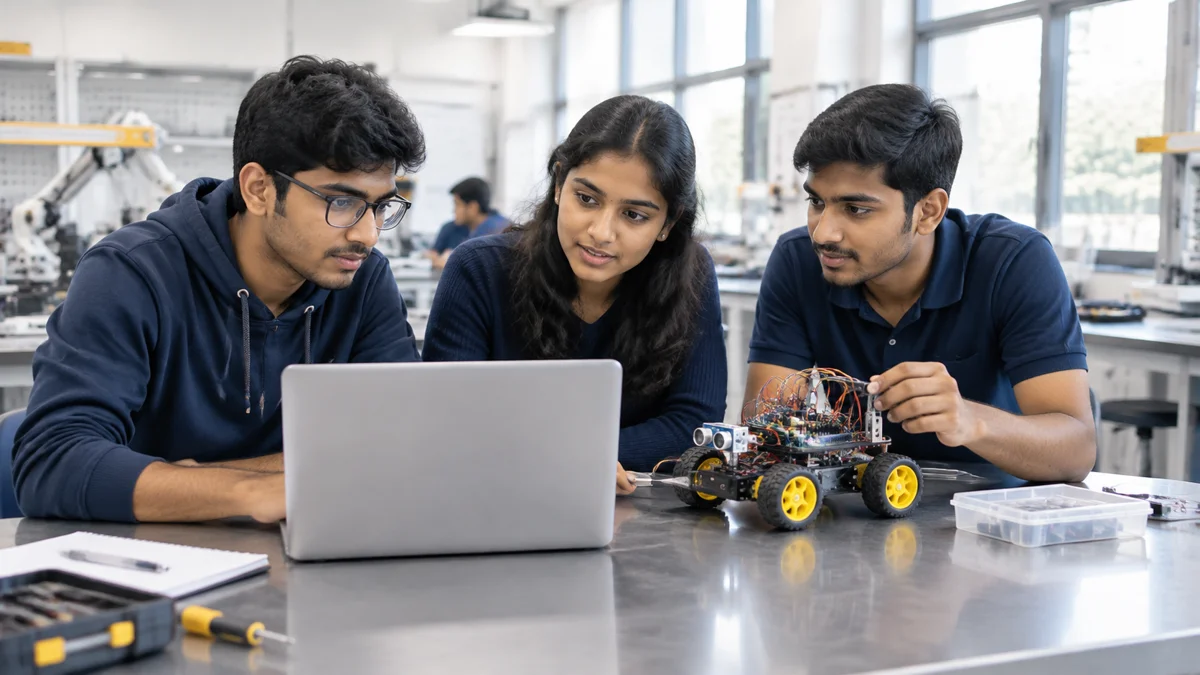
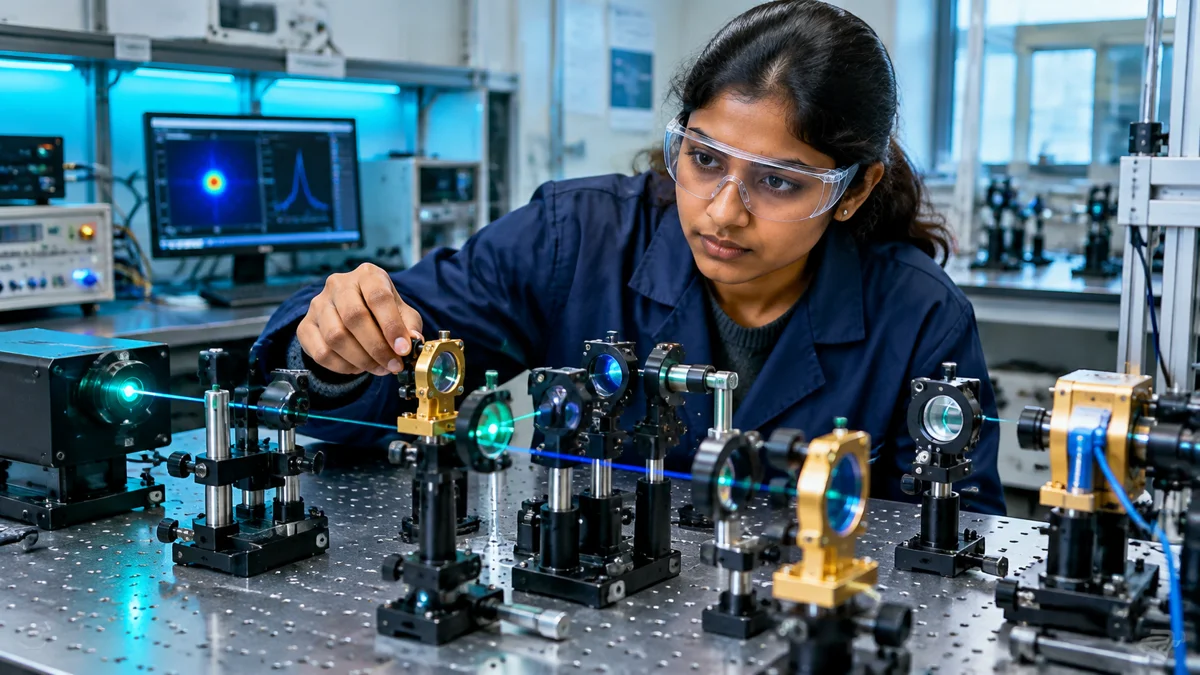
Quantum computing needs people from many backgrounds — physicists, engineers, programmers and mathematicians. Here's how a student can start building toward a career in it.
Skills that matter
- Mathematics: especially linear algebra, probability and complex numbers
- Programming: Python is a common starting point
- Physics foundations: particularly quantum mechanics, for hardware and research roles
- Computer science: algorithms and problem-solving
Types of roles
- Quantum software developer or algorithm researcher
- Quantum hardware or photonics engineer
- Research scientist (usually with a postgraduate degree)
- Quantum-aware roles in industry, such as security, finance or materials
Degrees to consider
At undergraduate level, strong foundations come from programs in computer science, electronics, physics or mathematics. At postgraduate level, specialised master's and research programs in quantum science, quantum computing or quantum engineering are offered by universities in India and abroad.
First steps you can take now
- Strengthen your maths and Python.
- Take an introductory course in quantum computing.
- Try simple programs on a free, cloud-based quantum computing platform.
- Join student clubs, workshops or online communities.
- Build small projects and write about what you learn.
How EDNOVA can help
We help students find quantum computing programs in India and specialised master's programs abroad, and guide them through applications, tests and visas.